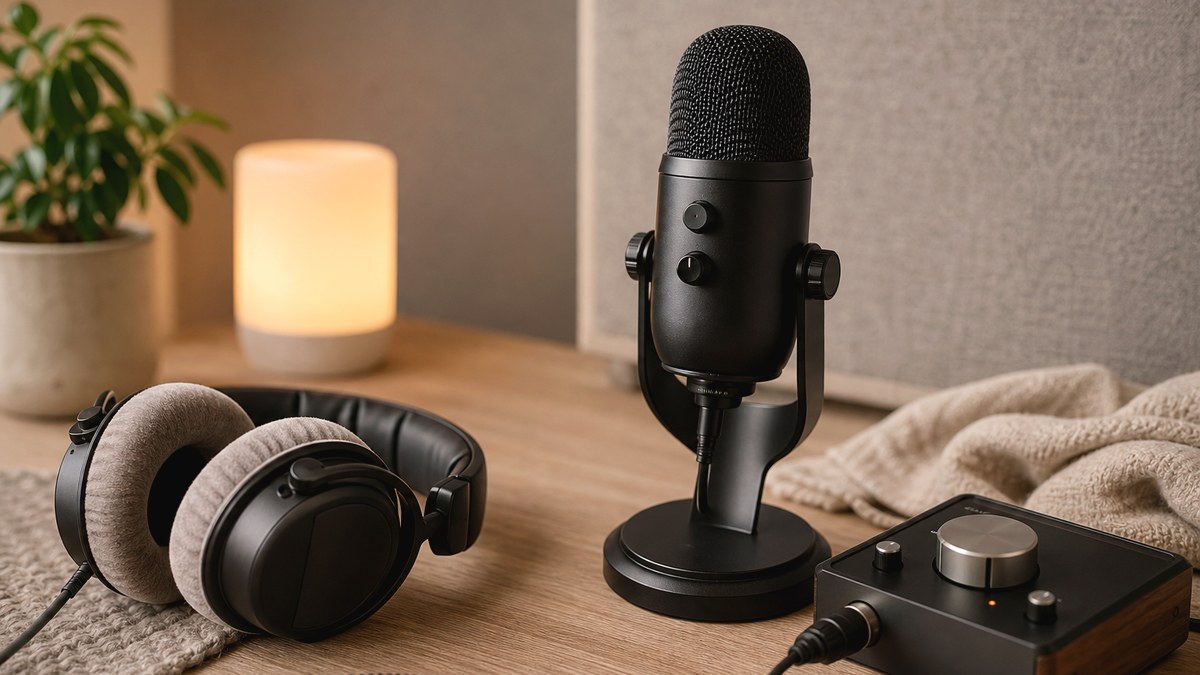
By YU. This article looks at listening comfort before technical specs because ASMR usually works at low volume and often happens in bed or during quiet breaks.
Good ASMR headphones do not need to be expensive. The best pair is comfortable, clear at low volume, and easy to wear for the way you listen. Because ASMR often includes close stereo detail, headphones can make triggers more immersive. Still, speakers or sleep headbands may be better if normal headphones bother you in bed.
Comfort Comes First
Comfort matters more than extreme audio specifications. If headphones press too hard, heat your ears, or make lying down awkward, you will not use them. Over-ear headphones can sound spacious, but earbuds or flat sleep headphones may be easier at night. Consider how you actually listen rather than buying only for reviews.
Look for Low-Volume Clarity
ASMR is usually best at modest volume. Headphones should make whispers, tapping, and soft textures audible without needing to turn the sound up. A harsh treble boost can make mouth sounds or glass tapping uncomfortable. A balanced, smooth sound is often better than a very bright sound.
Wired vs Wireless
Wireless headphones are convenient, especially if you move around before bed. Wired headphones avoid battery concerns and may have less delay. For ASMR, latency rarely matters unless you are watching visual triggers closely. Battery comfort, weight, and fit are usually more important.
Safety and Practical Use
Avoid loud volume, especially during long sessions. If you fall asleep with headphones, make sure the cable or fit is safe and comfortable. Some listeners use one earbud, a pillow speaker, or a small bedside speaker to reduce pressure while still enjoying calming sound.
Comfort Beats Specifications
ASMR rarely needs loud volume or heavy bass. What matters more is whether you can wear the headphones comfortably while sitting, lying down, or resting on one side. Over-ear headphones can sound spacious but may be too bulky in bed. Earbuds are easier to use at night but can make sharp whispers feel closer. Sleep headbands are not always detailed, but they may be more comfortable for long listening.
What I Would Check Before Buying
Look for low-volume clarity, soft pads or a stable earbud fit, easy volume control, and a cable or battery setup that does not become annoying at night. If possible, test with whispering, tapping, and rain sounds rather than music. ASMR exposes small harsh sounds that normal music reviews may not mention.
What I Would Test Before Buying
Music reviews do not always predict ASMR comfort, because ASMR exposes small sharp sounds.
- Test whispering, tapping, and rain at low volume.
- Check whether the fit works while lying down.
- Choose easy volume control over impressive specs.
Headphone Questions
Do I need expensive headphones?
No. Comfort and low-volume clarity matter more than price.
Are earbuds okay for ASMR?
Yes, as long as they are comfortable and not too sharp at low volume.
Buy for the Way You Listen
Choose headphones around comfort, low-volume clarity, and how you actually listen. A practical pair beats a spec-sheet winner for bedtime.
Related Guides in ASMR Gear
 ASMR Gear
How to Reduce Background Noise for ASMR Recording
Room noise, gain, …
ASMR GearDo You Need Expensive Gear for ASMR?
Expensive ASMR gea…
ASMR GearSimple ASMR Recording Setup for Small Rooms
A small-room ASMR …
ASMR GearHow to Reduce Background Noise for ASMR Recording
Room noise, gain, …