分类: Creator Tips

Practical tips for beginner ASMR creators planning videos, audio, and channels.

  • How to Start an ASMR YouTube Channel

    Starting an ASMR YouTube channel is easier than it looks, but growing one takes patience. You do not need a perfect studio on day one. You need clear audio, a consistent idea, respect for your audience, and enough structure that viewers know what to expect. A calm, useful channel can begin with simple equipment and thoughtful planning.

    Quick Takeaways

    • ASMR is personal, so preferences vary from one listener to another.
    • Use a comfortable volume and avoid content that feels harsh, stressful, or overstimulating.
    • ASMR may help some people relax, but it should not be treated as medical advice or a guaranteed sleep solution.

    Choose a Specific Starting Niche

    ASMR is broad. A beginner channel might focus on soft speaking education, tapping collections, personal attention roleplays, cozy reading, or relaxing night routines. Choosing a starting niche helps viewers remember you. You can expand later, but early clarity makes your channel easier to understand.

    When exploring this topic, pay attention to practical details such as volume, pacing, comfort, and whether the content supports the reason you chose it. A calmer routine usually comes from small repeatable choices rather than chasing one perfect video or one perfect trigger.

    Set Up Basic Recording

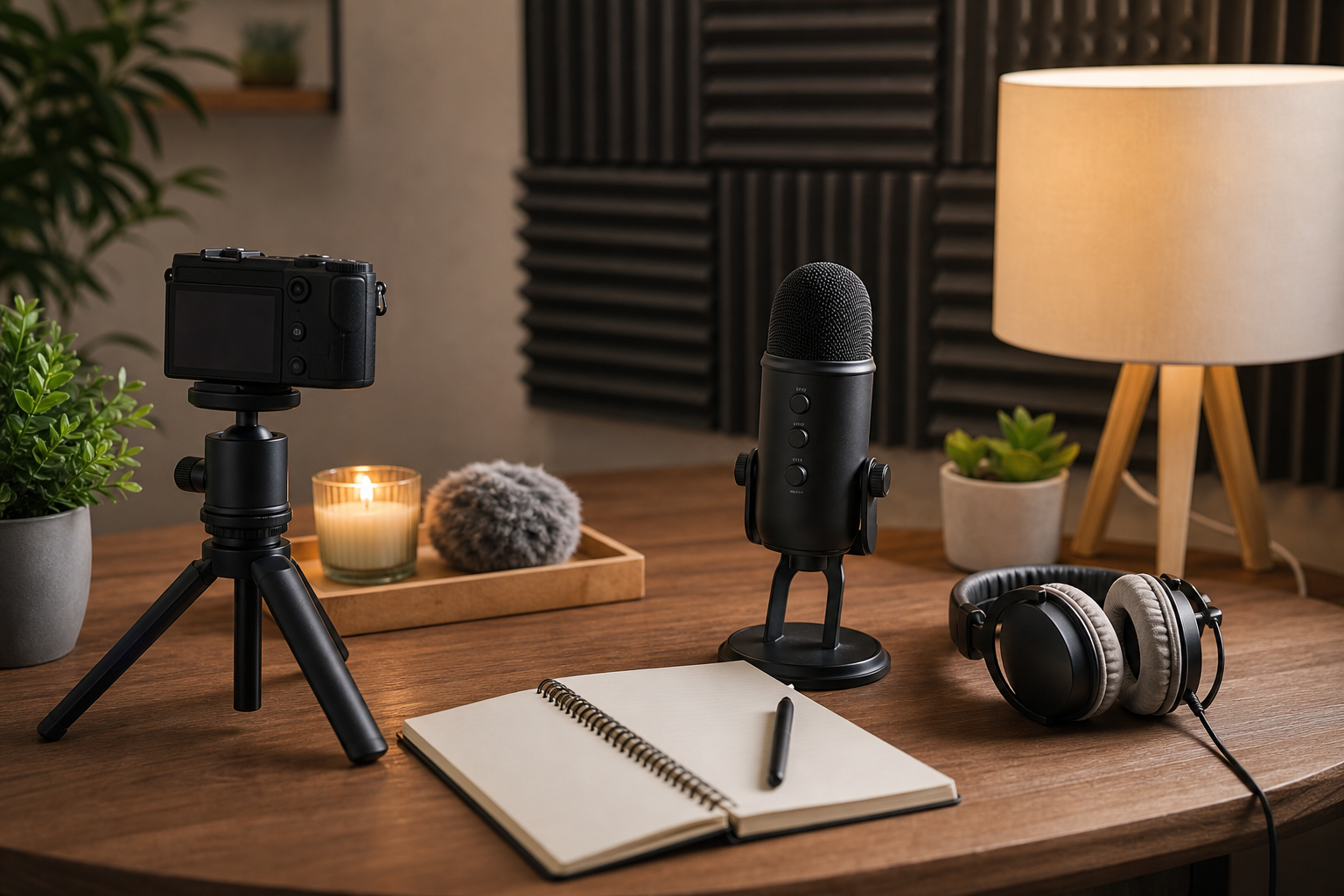
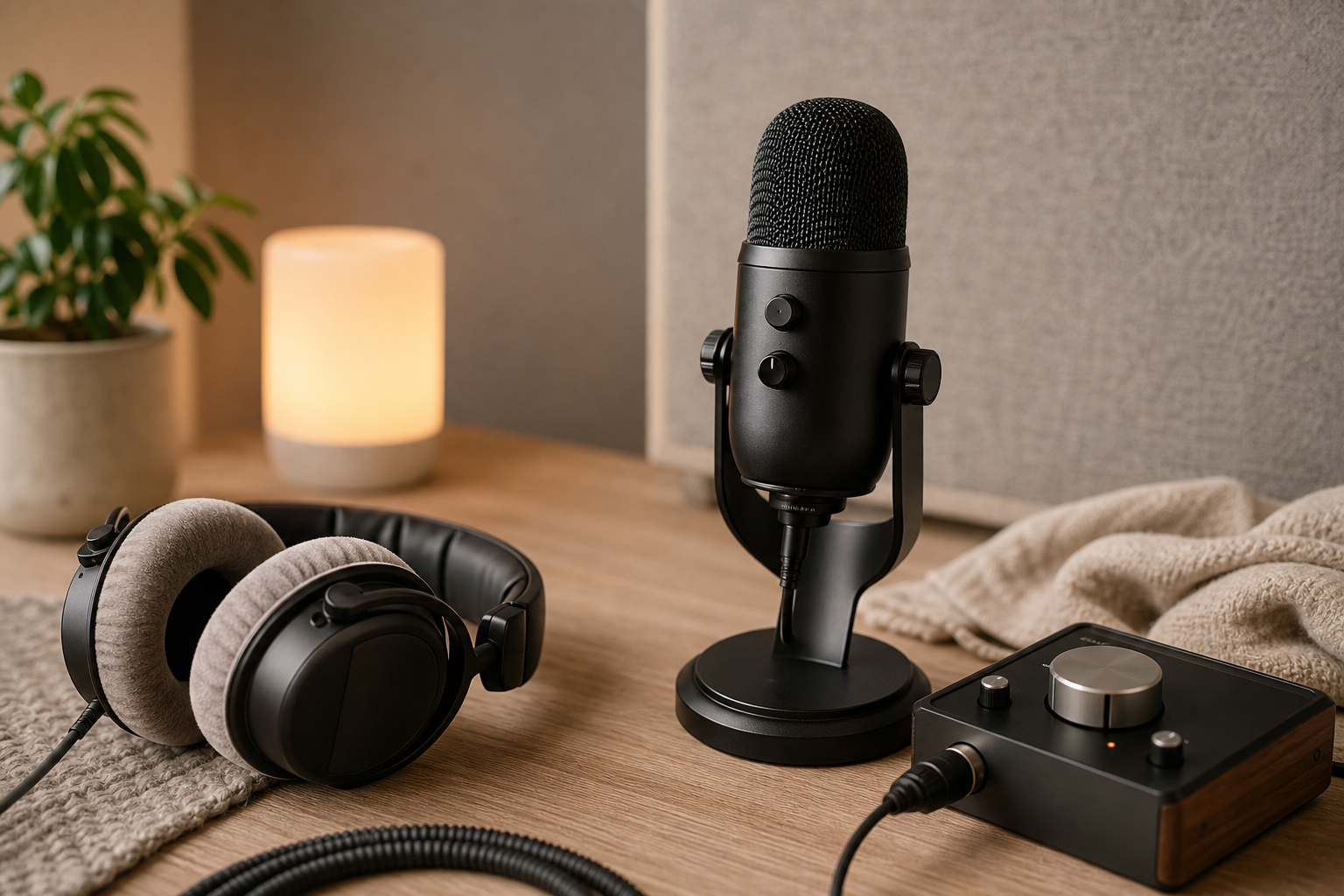
    A quiet room matters more than expensive gear. Turn off fans, reduce echo with soft furnishings, and record a short test before filming a full video. A phone can work for visuals, and a beginner USB microphone can improve sound. Listen back with headphones to catch hum, handling noise, and harsh peaks.

    When exploring this topic, pay attention to practical details such as volume, pacing, comfort, and whether the content supports the reason you chose it. A calmer routine usually comes from small repeatable choices rather than chasing one perfect video or one perfect trigger.

    Plan Videos Before Recording

    Even quiet videos need structure. Write a short outline: opening, trigger sequence, transitions, and ending. This prevents long awkward pauses and sudden decisions. For roleplay, note the main steps without scripting every word. The goal is to feel calm, not robotic.

    When exploring this topic, pay attention to practical details such as volume, pacing, comfort, and whether the content supports the reason you chose it. A calmer routine usually comes from small repeatable choices rather than chasing one perfect video or one perfect trigger.

    Publish Consistently and Learn Slowly

    Avoid comparing your first ten videos to established creators with years of practice. Publish, review audience retention, read thoughtful comments, and improve one thing at a time. Good ASMR channels often grow through trust and repeat viewing rather than one viral upload.

    When exploring this topic, pay attention to practical details such as volume, pacing, comfort, and whether the content supports the reason you chose it. A calmer routine usually comes from small repeatable choices rather than chasing one perfect video or one perfect trigger.

    Related Reading

    For more context, visit our ASMR Basics, Sleep & Relaxation, and ASMR Triggers sections. If you want to create your own content, the Creator Tips category covers beginner recording and channel ideas.

    FAQ

    Do I need a binaural microphone?

    No. It can be useful later, but beginners can start with a clean USB mic or phone plus careful room setup.

    How often should I post?

    Choose a schedule you can maintain, even if it is once a week.

    Final Thoughts

    ASMR is most useful when it stays simple, comfortable, and honest. Use it as one possible relaxation tool, not as a promise or pressure. If a sound, routine, or video format helps you feel calmer, keep it. If it does not, adjust your approach and choose something that fits your own listening style.

  • How to Record Clear ASMR Audio at Home

    Clear ASMR audio starts before you press record. The microphone matters, but the room, distance, gain, and performance choices matter just as much. Many beginner problems come from recording too loudly, sitting too far away, or ignoring background noise until editing. A simple checklist can make each session cleaner.

    Quick Takeaways

    • ASMR is personal, so preferences vary from one listener to another.
    • Use a comfortable volume and avoid content that feels harsh, stressful, or overstimulating.
    • ASMR may help some people relax, but it should not be treated as medical advice or a guaranteed sleep solution.

    Control Background Noise

    Record when your home is quiet. Turn off loud appliances, close windows if traffic is noticeable, and move away from computer fans. Listen through headphones before recording a full session. If a noise is obvious in a ten-second test, it will be obvious in a twenty-minute video.

    When exploring this topic, pay attention to practical details such as volume, pacing, comfort, and whether the content supports the reason you chose it. A calmer routine usually comes from small repeatable choices rather than chasing one perfect video or one perfect trigger.

    Set Microphone Distance

    ASMR often benefits from close recording, but too close can create breath blasts, mouth clicks, and harsh consonants. Try several distances and angles. Speaking slightly off-axis can reduce sharp breath sounds. For tapping, move the object rather than constantly moving the microphone if handling noise becomes a problem.

    When exploring this topic, pay attention to practical details such as volume, pacing, comfort, and whether the content supports the reason you chose it. A calmer routine usually comes from small repeatable choices rather than chasing one perfect video or one perfect trigger.

    Use Sensible Gain

    Recording too hot causes distortion, while recording too quiet can add hiss when boosted later. Aim for a clean signal with room for sudden louder sounds. Tap the loudest object you plan to use before recording and set levels based on that moment, not only your voice.

    When exploring this topic, pay attention to practical details such as volume, pacing, comfort, and whether the content supports the reason you chose it. A calmer routine usually comes from small repeatable choices rather than chasing one perfect video or one perfect trigger.

    Edit Lightly

    Editing should improve clarity without removing the natural feeling. Cut major mistakes, reduce obvious noise if needed, and keep volume comfortable. Heavy noise reduction can create watery artifacts that are distracting in ASMR. Always listen to the final export on headphones before uploading.

    When exploring this topic, pay attention to practical details such as volume, pacing, comfort, and whether the content supports the reason you chose it. A calmer routine usually comes from small repeatable choices rather than chasing one perfect video or one perfect trigger.

    Related Reading

    For more context, visit our ASMR Basics, Sleep & Relaxation, and ASMR Triggers sections. If you want to create your own content, the Creator Tips category covers beginner recording and channel ideas.

    FAQ

    Can I record ASMR with a phone?

    Yes, especially in a quiet room. Dedicated microphones can improve control later.

    Should ASMR audio be very loud?

    No. It should be clear at a comfortable low or moderate volume.

    Final Thoughts

    ASMR is most useful when it stays simple, comfortable, and honest. Use it as one possible relaxation tool, not as a promise or pressure. If a sound, routine, or video format helps you feel calmer, keep it. If it does not, adjust your approach and choose something that fits your own listening style.

  • Common ASMR Mistakes Beginners Make

    Beginner ASMR creators often focus on buying gear, but many early problems come from simple habits. Loud peaks, noisy rooms, rushed pacing, and unclear video ideas can distract viewers more than a modest microphone. Fixing the basics can make a new channel feel much more watchable.

    Quick Takeaways

    • ASMR is personal, so preferences vary from one listener to another.
    • Use a comfortable volume and avoid content that feels harsh, stressful, or overstimulating.
    • ASMR may help some people relax, but it should not be treated as medical advice or a guaranteed sleep solution.

    Recording Too Loud

    ASMR should not blast the listener. Sudden loud taps, object drops, or breath bursts can ruin an otherwise calm video. Test the loudest sound before recording and leave room in your levels. Viewers can turn quiet audio up, but distorted audio cannot be repaired easily.

    When exploring this topic, pay attention to practical details such as volume, pacing, comfort, and whether the content supports the reason you chose it. A calmer routine usually comes from small repeatable choices rather than chasing one perfect video or one perfect trigger.

    Ignoring the Room

    A microphone hears more than you expect. Computer fans, refrigerators, traffic, and echo can all become noticeable. Record short tests, listen with headphones, and improve the room before buying more accessories. Blankets, curtains, rugs, and distance from noise sources can help.

    When exploring this topic, pay attention to practical details such as volume, pacing, comfort, and whether the content supports the reason you chose it. A calmer routine usually comes from small repeatable choices rather than chasing one perfect video or one perfect trigger.

    Rushing the Pace

    Many new creators move too quickly because silence feels awkward. In ASMR, pauses are useful. Slow transitions, gentle object handling, and repeated motions give viewers time to settle. You do not need to fill every second with a new trigger.

    When exploring this topic, pay attention to practical details such as volume, pacing, comfort, and whether the content supports the reason you chose it. A calmer routine usually comes from small repeatable choices rather than chasing one perfect video or one perfect trigger.

    Making Big Claims

    Avoid promising that your video will cure anxiety, treat insomnia, or fix stress. A better approach is honest: the video is designed to be relaxing, and it may help some people unwind. Clear, responsible language builds trust and is better for a serious content site or channel.

    When exploring this topic, pay attention to practical details such as volume, pacing, comfort, and whether the content supports the reason you chose it. A calmer routine usually comes from small repeatable choices rather than chasing one perfect video or one perfect trigger.

    Related Reading

    For more context, visit our ASMR Basics, Sleep & Relaxation, and ASMR Triggers sections. If you want to create your own content, the Creator Tips category covers beginner recording and channel ideas.

    FAQ

    What is the biggest ASMR beginner mistake?

    Harsh or inconsistent audio is one of the most common problems.

    Should I delete imperfect early videos?

    Not always. Improve future videos and update titles or descriptions if needed.

    Final Thoughts

    ASMR is most useful when it stays simple, comfortable, and honest. Use it as one possible relaxation tool, not as a promise or pressure. If a sound, routine, or video format helps you feel calmer, keep it. If it does not, adjust your approach and choose something that fits your own listening style.

  • Best ASMR Video Ideas for Beginners

    The best beginner ASMR video ideas are simple enough to record well. A clear, modest idea usually beats a complicated roleplay with poor sound. Start with formats that let you practice pacing, microphone distance, and audience feedback. Once you learn what works, you can build more ambitious videos.

    Quick Takeaways

    • ASMR is personal, so preferences vary from one listener to another.
    • Use a comfortable volume and avoid content that feels harsh, stressful, or overstimulating.
    • ASMR may help some people relax, but it should not be treated as medical advice or a guaranteed sleep solution.

    Trigger Assortments

    A trigger assortment lets you test several sounds in one video: tapping, brushing, page turning, fabric, and gentle crinkles. Keep each section long enough for viewers to settle into the sound. Add timestamps so people can return to their favorite parts.

    When exploring this topic, pay attention to practical details such as volume, pacing, comfort, and whether the content supports the reason you chose it. A calmer routine usually comes from small repeatable choices rather than chasing one perfect video or one perfect trigger.

    Soft Speaking Guides

    If you like explaining things, try a soft speaking guide about books, routines, desk organization, journaling, or your ASMR setup. This format is easier than acting-heavy roleplay and helps viewers connect with your voice. Keep the topic calm and avoid sudden energy shifts.

    When exploring this topic, pay attention to practical details such as volume, pacing, comfort, and whether the content supports the reason you chose it. A calmer routine usually comes from small repeatable choices rather than chasing one perfect video or one perfect trigger.

    Personal Attention Basics

    Simple personal attention videos can include face brushing, measuring, skincare-style roleplay, or a calm check-in. Plan the steps before recording. The structure should feel caring and predictable, not rushed. Use gentle language and avoid presenting roleplay as real professional advice.

    When exploring this topic, pay attention to practical details such as volume, pacing, comfort, and whether the content supports the reason you chose it. A calmer routine usually comes from small repeatable choices rather than chasing one perfect video or one perfect trigger.

    No-Talking Sound Videos

    No-talking videos are useful if you are shy or want to focus on audio quality. Try ten minutes of page turning, keyboard typing, wooden tapping, or fabric sounds. These videos teach microphone control and editing discipline because the sound has to carry the experience.

    When exploring this topic, pay attention to practical details such as volume, pacing, comfort, and whether the content supports the reason you chose it. A calmer routine usually comes from small repeatable choices rather than chasing one perfect video or one perfect trigger.

    Related Reading

    For more context, visit our ASMR Basics, Sleep & Relaxation, and ASMR Triggers sections. If you want to create your own content, the Creator Tips category covers beginner recording and channel ideas.

    FAQ

    What ASMR video should I make first?

    A simple trigger assortment or soft speaking introduction is a practical first choice.

    Do beginner ASMR videos need scripts?

    Not always, but a short outline helps prevent rushed pacing and awkward transitions.

    Final Thoughts

    ASMR is most useful when it stays simple, comfortable, and honest. Use it as one possible relaxation tool, not as a promise or pressure. If a sound, routine, or video format helps you feel calmer, keep it. If it does not, adjust your approach and choose something that fits your own listening style.