博客

  • Best Headphones for Listening to ASMR

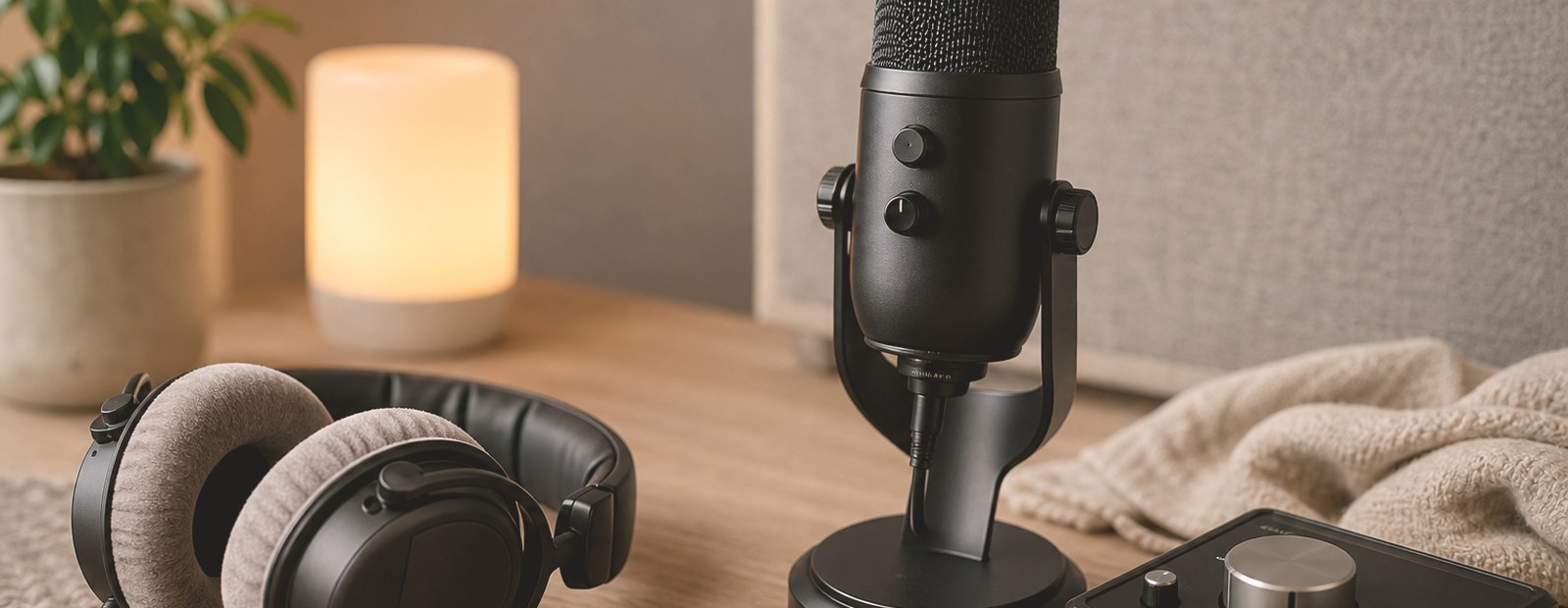
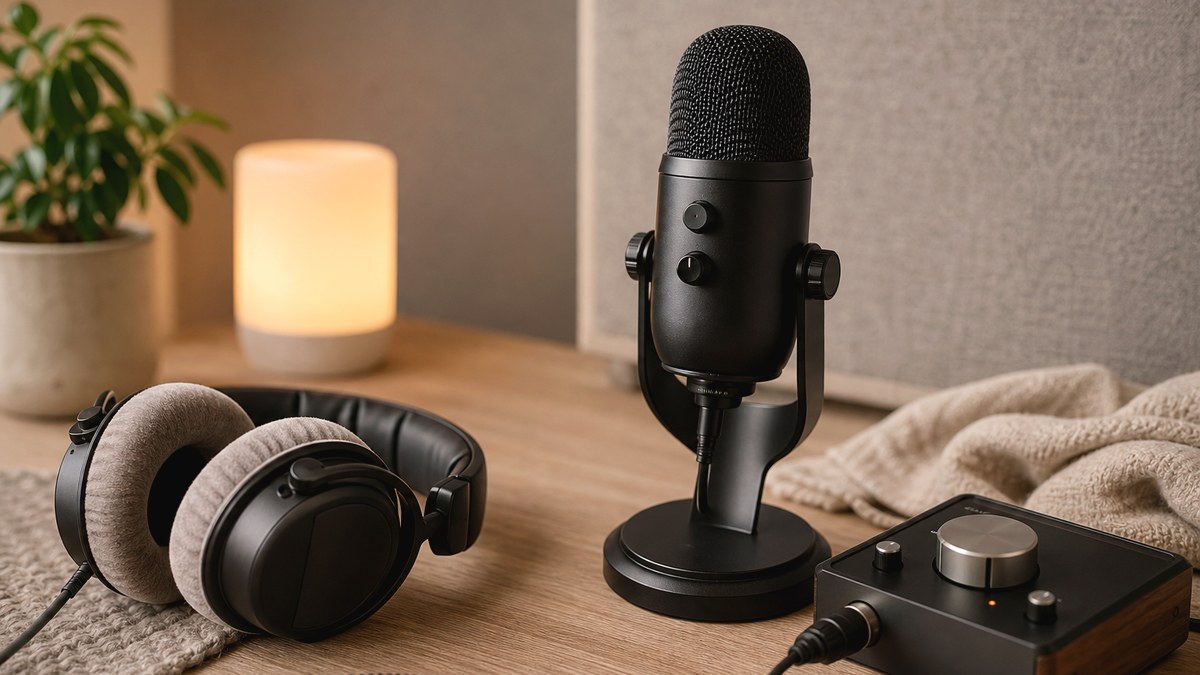
    Good ASMR headphones do not need to be expensive. The best pair is comfortable, clear at low volume, and easy to wear for the way you listen. Because ASMR often includes close stereo detail, headphones can make triggers more immersive. Still, speakers or sleep headbands may be better if normal headphones bother you in bed.

    Quick Takeaways

    • ASMR is personal, so preferences vary from one listener to another.
    • Use a comfortable volume and avoid content that feels harsh, stressful, or overstimulating.
    • ASMR may help some people relax, but it should not be treated as medical advice or a guaranteed sleep solution.

    Comfort Comes First

    Comfort matters more than extreme audio specifications. If headphones press too hard, heat your ears, or make lying down awkward, you will not use them. Over-ear headphones can sound spacious, but earbuds or flat sleep headphones may be easier at night. Consider how you actually listen rather than buying only for reviews.

    When exploring this topic, pay attention to practical details such as volume, pacing, comfort, and whether the content supports the reason you chose it. A calmer routine usually comes from small repeatable choices rather than chasing one perfect video or one perfect trigger.

    Look for Low-Volume Clarity

    ASMR is usually best at modest volume. Headphones should make whispers, tapping, and soft textures audible without needing to turn the sound up. A harsh treble boost can make mouth sounds or glass tapping uncomfortable. A balanced, smooth sound is often better than a very bright sound.

    When exploring this topic, pay attention to practical details such as volume, pacing, comfort, and whether the content supports the reason you chose it. A calmer routine usually comes from small repeatable choices rather than chasing one perfect video or one perfect trigger.

    Wired vs Wireless

    Wireless headphones are convenient, especially if you move around before bed. Wired headphones avoid battery concerns and may have less delay. For ASMR, latency rarely matters unless you are watching visual triggers closely. Battery comfort, weight, and fit are usually more important.

    When exploring this topic, pay attention to practical details such as volume, pacing, comfort, and whether the content supports the reason you chose it. A calmer routine usually comes from small repeatable choices rather than chasing one perfect video or one perfect trigger.

    Safety and Practical Use

    Avoid loud volume, especially during long sessions. If you fall asleep with headphones, make sure the cable or fit is safe and comfortable. Some listeners use one earbud, a pillow speaker, or a small bedside speaker to reduce pressure while still enjoying calming sound.

    When exploring this topic, pay attention to practical details such as volume, pacing, comfort, and whether the content supports the reason you chose it. A calmer routine usually comes from small repeatable choices rather than chasing one perfect video or one perfect trigger.

    Related Reading

    For more context, visit our ASMR Basics, Sleep & Relaxation, and ASMR Triggers sections. If you want to create your own content, the Creator Tips category covers beginner recording and channel ideas.

    FAQ

    Do I need expensive headphones for ASMR?

    No. Comfort and clear low-volume sound matter more than price.

    Are noise-canceling headphones good for ASMR?

    They can be helpful in noisy rooms, but some people dislike the pressure sensation.

    Final Thoughts

    ASMR is most useful when it stays simple, comfortable, and honest. Use it as one possible relaxation tool, not as a promise or pressure. If a sound, routine, or video format helps you feel calmer, keep it. If it does not, adjust your approach and choose something that fits your own listening style.

  • How to Build a Relaxing Night Routine with ASMR

    A relaxing night routine does not need to be complicated. In fact, complicated routines often fail because they feel like another task. ASMR can fit into a bedtime routine as a quiet transition between the day and sleep, especially when you keep the setup predictable and avoid turning it into more screen time.

    Quick Takeaways

    • ASMR is personal, so preferences vary from one listener to another.
    • Use a comfortable volume and avoid content that feels harsh, stressful, or overstimulating.
    • ASMR may help some people relax, but it should not be treated as medical advice or a guaranteed sleep solution.

    Pick a Consistent Start Point

    Choose a time when your evening begins to slow down. This might be thirty minutes before bed or after a shower. The exact time matters less than the consistency. When ASMR starts at the same point most nights, it becomes a cue that you are moving into a calmer part of the day.

    When exploring this topic, pay attention to practical details such as volume, pacing, comfort, and whether the content supports the reason you chose it. A calmer routine usually comes from small repeatable choices rather than chasing one perfect video or one perfect trigger.

    Choose Your Listening Style

    Some people like headphones, while others prefer a low speaker. Some prefer whispering, while others need wordless sounds. Decide before you are tired so you do not spend twenty minutes browsing. A small playlist of familiar videos can prevent late-night decision fatigue.

    When exploring this topic, pay attention to practical details such as volume, pacing, comfort, and whether the content supports the reason you chose it. A calmer routine usually comes from small repeatable choices rather than chasing one perfect video or one perfect trigger.

    Reduce Competing Stimulation

    ASMR works better when it is not fighting bright screens, notifications, or stressful content. Dim the display, turn off autoplay, and avoid comment scrolling if it keeps you awake. If possible, use audio-only playback or place the phone face down after choosing the video.

    When exploring this topic, pay attention to practical details such as volume, pacing, comfort, and whether the content supports the reason you chose it. A calmer routine usually comes from small repeatable choices rather than chasing one perfect video or one perfect trigger.

    Keep the Routine Flexible

    The goal is relaxation, not perfection. If ASMR feels annoying on a certain night, switch to rain sounds, quiet reading, or silence. A routine should support you without becoming another rule to worry about.

    When exploring this topic, pay attention to practical details such as volume, pacing, comfort, and whether the content supports the reason you chose it. A calmer routine usually comes from small repeatable choices rather than chasing one perfect video or one perfect trigger.

    Related Reading

    For more context, visit our ASMR Basics, Sleep & Relaxation, and ASMR Triggers sections. If you want to create your own content, the Creator Tips category covers beginner recording and channel ideas.

    FAQ

    How long should my ASMR routine be?

    Start with 15 to 30 minutes and adjust based on how you feel.

    Should I watch the screen?

    For sleep, audio-only or minimal screen viewing is usually better.

    Final Thoughts

    ASMR is most useful when it stays simple, comfortable, and honest. Use it as one possible relaxation tool, not as a promise or pressure. If a sound, routine, or video format helps you feel calmer, keep it. If it does not, adjust your approach and choose something that fits your own listening style.

  • Rain Sounds vs ASMR: Which Helps You Sleep Better?

    Rain sounds and ASMR are often grouped together because both can be relaxing, but they work differently. Rain sounds are usually ambient and continuous. ASMR is often more detailed, close, and intentional. Neither option is automatically better for sleep. The better choice is the one that helps you stop searching for more stimulation.

    Quick Takeaways

    • ASMR is personal, so preferences vary from one listener to another.
    • Use a comfortable volume and avoid content that feels harsh, stressful, or overstimulating.
    • ASMR may help some people relax, but it should not be treated as medical advice or a guaranteed sleep solution.

    The Strength of Rain Sounds

    Rain is steady and familiar. It can cover background noise and create a sense of privacy. Because rain does not usually contain words, it may be easier to leave on while falling asleep. For people who overthink dialogue or get drawn into videos, rain can be a simpler bedtime tool.

    When exploring this topic, pay attention to practical details such as volume, pacing, comfort, and whether the content supports the reason you chose it. A calmer routine usually comes from small repeatable choices rather than chasing one perfect video or one perfect trigger.

    The Strength of ASMR

    ASMR can feel more personal than rain. Whispering, tapping, brushing, and roleplay videos may create a stronger sense of attention and comfort. This can be useful when plain noise feels too empty. The tradeoff is that visual ASMR and story-based roleplay can keep some people watching longer than planned.

    When exploring this topic, pay attention to practical details such as volume, pacing, comfort, and whether the content supports the reason you chose it. A calmer routine usually comes from small repeatable choices rather than chasing one perfect video or one perfect trigger.

    How to Choose at Night

    Use rain when you need background stability. Use ASMR when you want gentle attention or a specific trigger. If you are unsure, choose audio-only ASMR or a video with a dark screen. Set a timer so the sound does not continue longer than you want.

    When exploring this topic, pay attention to practical details such as volume, pacing, comfort, and whether the content supports the reason you chose it. A calmer routine usually comes from small repeatable choices rather than chasing one perfect video or one perfect trigger.

    Combining Both Carefully

    Many creators layer rain with whispering, page turning, or personal attention. This can be excellent when mixed gently. Avoid videos where rain is too loud compared with the voice, because volume changes can pull you awake. A balanced mix should feel smooth enough that you forget about adjusting it.

    When exploring this topic, pay attention to practical details such as volume, pacing, comfort, and whether the content supports the reason you chose it. A calmer routine usually comes from small repeatable choices rather than chasing one perfect video or one perfect trigger.

    Related Reading

    For more context, visit our ASMR Basics, Sleep & Relaxation, and ASMR Triggers sections. If you want to create your own content, the Creator Tips category covers beginner recording and channel ideas.

    FAQ

    Are rain sounds ASMR?

    They can be used in ASMR content, but rain sounds are also a separate type of ambient audio.

    Which is safer for nightly listening?

    Both can be fine at a low, comfortable volume. Avoid loud headphone use.

    Final Thoughts

    ASMR is most useful when it stays simple, comfortable, and honest. Use it as one possible relaxation tool, not as a promise or pressure. If a sound, routine, or video format helps you feel calmer, keep it. If it does not, adjust your approach and choose something that fits your own listening style.

  • Tapping ASMR Explained

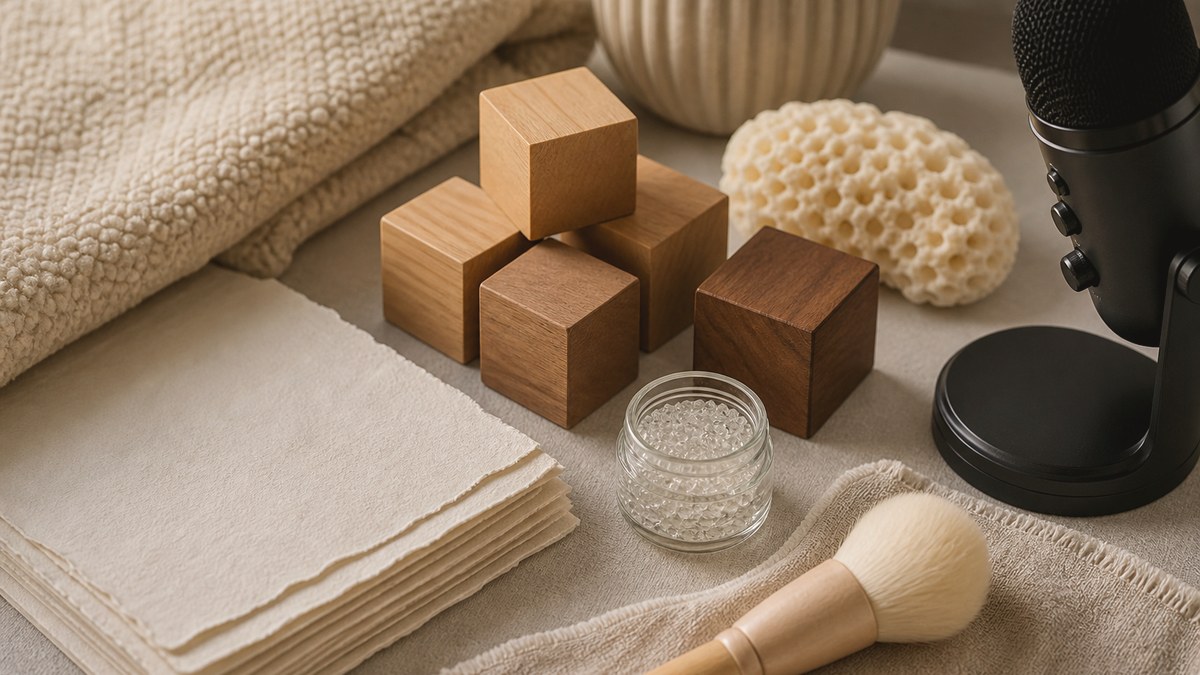
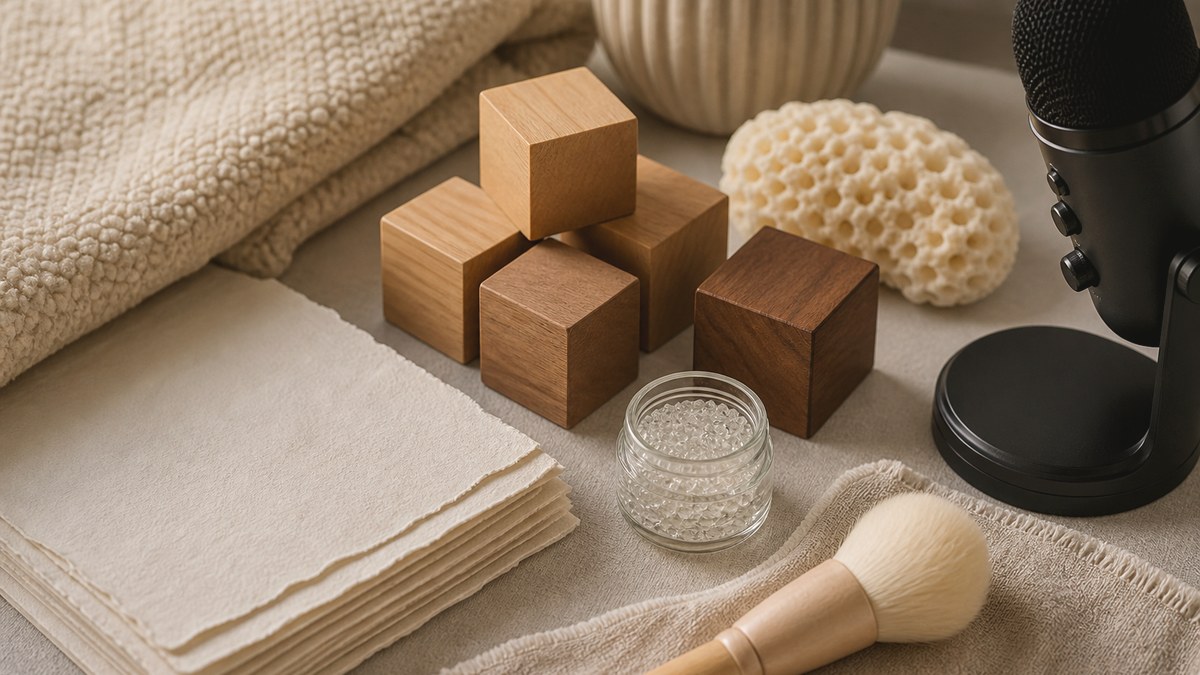
    Tapping ASMR uses repeated fingertip sounds on objects such as books, boxes, glass, wood, makeup containers, keyboards, and phone cases. It is popular because it is simple, versatile, and easy to recognize. The same basic action can sound completely different depending on the surface, speed, microphone, and distance.

    Quick Takeaways

    • ASMR is personal, so preferences vary from one listener to another.
    • Use a comfortable volume and avoid content that feels harsh, stressful, or overstimulating.
    • ASMR may help some people relax, but it should not be treated as medical advice or a guaranteed sleep solution.

    Why Tapping Works for Some Listeners

    Tapping creates a pattern. When the pattern is slow and clear, the brain can follow it without much effort. That predictable detail can feel calming for some people. It can also create strong tingles because the sound is close and precise. However, tapping that is too fast or too loud may become irritating.

    When exploring this topic, pay attention to practical details such as volume, pacing, comfort, and whether the content supports the reason you chose it. A calmer routine usually comes from small repeatable choices rather than chasing one perfect video or one perfect trigger.

    Common Tapping Materials

    Wood tends to sound warm and hollow. Glass is brighter and sharper. Cardboard is softer and more muted. Plastic can be crisp, while leather or fabric gives a quieter texture. Trying different materials helps you learn whether you prefer deep, soft sounds or high, clicky sounds.

    When exploring this topic, pay attention to practical details such as volume, pacing, comfort, and whether the content supports the reason you chose it. A calmer routine usually comes from small repeatable choices rather than chasing one perfect video or one perfect trigger.

    Choosing Better Tapping Videos

    Look for videos with consistent volume, clean recording, and timestamps if you want to skip certain materials. Avoid videos with sudden loud object drops if you are listening before bed. If a creator layers tapping with whispering, check whether the voice helps you relax or keeps you too alert.

    When exploring this topic, pay attention to practical details such as volume, pacing, comfort, and whether the content supports the reason you chose it. A calmer routine usually comes from small repeatable choices rather than chasing one perfect video or one perfect trigger.

    Creator Tips for Tapping ASMR

    Creators should record test clips from several distances. Close tapping can be intense, while slightly distant tapping may be smoother. Use a stable table, avoid jewelry noise unless intentional, and leave quiet pauses between objects. The pause is part of the relaxation.

    When exploring this topic, pay attention to practical details such as volume, pacing, comfort, and whether the content supports the reason you chose it. A calmer routine usually comes from small repeatable choices rather than chasing one perfect video or one perfect trigger.

    Related Reading

    For more context, visit our ASMR Basics, Sleep & Relaxation, and ASMR Triggers sections. If you want to create your own content, the Creator Tips category covers beginner recording and channel ideas.

    FAQ

    Is tapping ASMR good for sleep?

    It can be, especially when slow and low-volume. Fast tapping may be better for daytime tingles.

    Why do some tapping videos annoy me?

    You may be sensitive to speed, pitch, repetition, or recording quality.

    Final Thoughts

    ASMR is most useful when it stays simple, comfortable, and honest. Use it as one possible relaxation tool, not as a promise or pressure. If a sound, routine, or video format helps you feel calmer, keep it. If it does not, adjust your approach and choose something that fits your own listening style.

  • Best ASMR Sounds for Stress Relief

    Stress relief content works best when it feels steady, respectful, and easy to leave running in the background. ASMR sounds can help some listeners shift away from a tense moment, but the right sound depends on personal preference. A sound that is soothing to one person may be irritating to another, so testing gently is important.

    Quick Takeaways

    • ASMR is personal, so preferences vary from one listener to another.
    • Use a comfortable volume and avoid content that feels harsh, stressful, or overstimulating.
    • ASMR may help some people relax, but it should not be treated as medical advice or a guaranteed sleep solution.

    Slow Tapping

    Slow tapping on wood, glass, cardboard, or books can create a predictable rhythm. The repetition gives the mind a simple pattern to follow. For stress relief, slower is usually better than fast tapping. Fast sounds can feel impressive, but they may also raise energy when you are trying to settle.

    When exploring this topic, pay attention to practical details such as volume, pacing, comfort, and whether the content supports the reason you chose it. A calmer routine usually comes from small repeatable choices rather than chasing one perfect video or one perfect trigger.

    Brushing and Fabric Sounds

    Makeup brushes, hair brushes, soft towels, and fabric movements often have a rounded sound that feels less sharp than plastic or metal. These textures can work well during breaks because they do not require language processing. If you spend your day reading or talking, wordless ASMR may feel more restful.

    When exploring this topic, pay attention to practical details such as volume, pacing, comfort, and whether the content supports the reason you chose it. A calmer routine usually comes from small repeatable choices rather than chasing one perfect video or one perfect trigger.

    Low Voice Guidance

    A calm voice can be grounding when the creator speaks slowly and avoids dramatic storytelling. Guided breathing-style videos can be helpful for some people, but creators should avoid medical claims. The value is in the calm pacing and supportive tone, not in promising to treat stress.

    When exploring this topic, pay attention to practical details such as volume, pacing, comfort, and whether the content supports the reason you chose it. A calmer routine usually comes from small repeatable choices rather than chasing one perfect video or one perfect trigger.

    Natural Background Layers

    Rain, distant thunder, quiet room tone, and soft page turning can create a stable sound bed. These are good choices for people who dislike close mouth sounds or intense roleplay. Layered sound also works well for focus because it masks distractions without becoming the main event.

    When exploring this topic, pay attention to practical details such as volume, pacing, comfort, and whether the content supports the reason you chose it. A calmer routine usually comes from small repeatable choices rather than chasing one perfect video or one perfect trigger.

    Related Reading

    For more context, visit our ASMR Basics, Sleep & Relaxation, and ASMR Triggers sections. If you want to create your own content, the Creator Tips category covers beginner recording and channel ideas.

    FAQ

    What ASMR sound is best for stress?

    There is no universal best sound. Start with low-volume tapping, brushing, or soft speaking.

    Can ASMR cure stress?

    No. ASMR may help some people relax, but it is not a cure or clinical treatment.

    Final Thoughts

    ASMR is most useful when it stays simple, comfortable, and honest. Use it as one possible relaxation tool, not as a promise or pressure. If a sound, routine, or video format helps you feel calmer, keep it. If it does not, adjust your approach and choose something that fits your own listening style.

  • How ASMR Helps You Relax Before Bed

    ASMR can be useful before bed because it changes the tone of your evening. Instead of fast videos, bright arguments, or endless scrolling, ASMR encourages slower attention. That does not mean ASMR is a guaranteed sleep solution. It simply means some people find that calm sound, predictable pacing, and gentle voices make it easier to wind down.

    Quick Takeaways

    • ASMR is personal, so preferences vary from one listener to another.
    • Use a comfortable volume and avoid content that feels harsh, stressful, or overstimulating.
    • ASMR may help some people relax, but it should not be treated as medical advice or a guaranteed sleep solution.

    A Softer Transition

    Many bedtime problems start before a person gets into bed. A loud final hour can leave the mind active. ASMR offers a softer transition by lowering the intensity of media. The content is usually quiet and repetitive, which can help signal that the day is ending. This effect is strongest when ASMR is paired with dimmer lights and fewer notifications.

    When exploring this topic, pay attention to practical details such as volume, pacing, comfort, and whether the content supports the reason you chose it. A calmer routine usually comes from small repeatable choices rather than chasing one perfect video or one perfect trigger.

    Attention Without Pressure

    Trying hard to sleep can make sleep feel even farther away. ASMR gives the mind something gentle to rest on without demanding performance. A tapping pattern, a calm voice, or a simple roleplay can provide just enough focus to reduce mental wandering. The goal is not to force sleep, but to create conditions that feel less tense.

    When exploring this topic, pay attention to practical details such as volume, pacing, comfort, and whether the content supports the reason you chose it. A calmer routine usually comes from small repeatable choices rather than chasing one perfect video or one perfect trigger.

    Building a Repeatable Routine

    A routine works best when it is simple. Choose a short playlist, set a timer, and keep the volume consistent. Avoid new, exciting videos if you know they make you watch actively. Familiar ASMR can be better for bedtime because your brain already knows there is nothing urgent to follow.

    When exploring this topic, pay attention to practical details such as volume, pacing, comfort, and whether the content supports the reason you chose it. A calmer routine usually comes from small repeatable choices rather than chasing one perfect video or one perfect trigger.

    When ASMR Is Not Enough

    If you have persistent sleep problems, loud snoring, panic, pain, or daytime exhaustion, it is better to speak with a qualified professional. ASMR can be part of a lifestyle routine, but it should not replace medical care or mental health support when those are needed.

    When exploring this topic, pay attention to practical details such as volume, pacing, comfort, and whether the content supports the reason you chose it. A calmer routine usually comes from small repeatable choices rather than chasing one perfect video or one perfect trigger.

    Related Reading

    For more context, visit our ASMR Basics, Sleep & Relaxation, and ASMR Triggers sections. If you want to create your own content, the Creator Tips category covers beginner recording and channel ideas.

    FAQ

    Can I listen to ASMR every night?

    Many people do, but use a safe volume and stop if it begins to interfere with sleep.

    Should ASMR replace sleep treatment?

    No. It is general relaxation content, not medical treatment.

    Final Thoughts

    ASMR is most useful when it stays simple, comfortable, and honest. Use it as one possible relaxation tool, not as a promise or pressure. If a sound, routine, or video format helps you feel calmer, keep it. If it does not, adjust your approach and choose something that fits your own listening style.

  • Whispering vs Soft Speaking ASMR

    Whispering and soft speaking are both voice-based ASMR styles, but they create different listening experiences. Whispering often feels closer, breathier, and more private. Soft speaking uses a quiet normal voice, which can sound warmer and easier to understand. Choosing between them depends on what you want from the session: tingles, clarity, comfort, or background calm.

    Quick Takeaways

    • ASMR is personal, so preferences vary from one listener to another.
    • Use a comfortable volume and avoid content that feels harsh, stressful, or overstimulating.
    • ASMR may help some people relax, but it should not be treated as medical advice or a guaranteed sleep solution.

    What Whispering Does Well

    Whispering can make a video feel personal and immersive. Because the voice is quiet, the listener often pays attention to tiny details such as breath, consonants, and mouth shape. This can create strong ASMR responses for some people. The downside is that whispering can become distracting if it is too sharp, too wet-sounding, or too difficult to understand.

    When exploring this topic, pay attention to practical details such as volume, pacing, comfort, and whether the content supports the reason you chose it. A calmer routine usually comes from small repeatable choices rather than chasing one perfect video or one perfect trigger.

    What Soft Speaking Does Well

    Soft speaking is usually more natural for educational videos, guided routines, and longer roleplays. The words are easier to follow, so it can feel less intense than whispering. Many listeners prefer soft speaking during daytime relaxation or study because it provides human warmth without sounding as intimate as a whisper.

    When exploring this topic, pay attention to practical details such as volume, pacing, comfort, and whether the content supports the reason you chose it. A calmer routine usually comes from small repeatable choices rather than chasing one perfect video or one perfect trigger.

    Which Is Better for Sleep?

    There is no single winner. Whispering may work better if you want a close ASMR feeling and do not need to follow the content. Soft speaking may work better if unclear whispers keep your brain alert. If you are building a night routine, test both at the same volume and notice which one helps you stop checking the screen.

    When exploring this topic, pay attention to practical details such as volume, pacing, comfort, and whether the content supports the reason you chose it. A calmer routine usually comes from small repeatable choices rather than chasing one perfect video or one perfect trigger.

    Tips for Creators

    Creators should record both styles and listen on headphones before publishing. Whispering often needs careful microphone placement to avoid harsh breath sounds. Soft speaking benefits from a steady tone and less room echo. A simple comparison video can also help your audience tell you which style they prefer.

    When exploring this topic, pay attention to practical details such as volume, pacing, comfort, and whether the content supports the reason you chose it. A calmer routine usually comes from small repeatable choices rather than chasing one perfect video or one perfect trigger.

    Related Reading

    For more context, visit our ASMR Basics, Sleep & Relaxation, and ASMR Triggers sections. If you want to create your own content, the Creator Tips category covers beginner recording and channel ideas.

    FAQ

    Is whispering always ASMR?

    No. Whispering is a common trigger, but ASMR depends on the listener and the overall presentation.

    Can soft speaking still cause tingles?

    Yes. Many people respond strongly to soft speaking, especially when it is slow and attentive.

    Final Thoughts

    ASMR is most useful when it stays simple, comfortable, and honest. Use it as one possible relaxation tool, not as a promise or pressure. If a sound, routine, or video format helps you feel calmer, keep it. If it does not, adjust your approach and choose something that fits your own listening style.

  • Best ASMR Triggers for Sleep

    Sleep-friendly ASMR is usually slow, steady, and low in surprise. The best triggers for sleep are not always the most exciting triggers. They are the ones that help your attention settle without demanding too much from you. A good sleep trigger should feel soft enough to keep in the background and structured enough that your mind does not keep searching for what happens next.

    Quick Takeaways

    • ASMR is personal, so preferences vary from one listener to another.
    • Use a comfortable volume and avoid content that feels harsh, stressful, or overstimulating.
    • ASMR may help some people relax, but it should not be treated as medical advice or a guaranteed sleep solution.

    Whispering and Soft Speaking

    Whispering is one of the most recognizable ASMR triggers because it feels close and intimate without needing a complicated setup. Soft speaking is a little clearer and may work better for people who find pure whispering too breathy. For sleep, choose videos with a slow pace and minimal sudden laughter, loud mouth sounds, or rapid topic changes.

    When exploring this topic, pay attention to practical details such as volume, pacing, comfort, and whether the content supports the reason you chose it. A calmer routine usually comes from small repeatable choices rather than chasing one perfect video or one perfect trigger.

    Tapping and Object Sounds

    Tapping, scratching, crinkling, and page turning can create rhythmic detail that keeps the mind lightly occupied. The key is consistency. Fast tapping may be stimulating, while slow tapping on wood, glass, books, or fabric can feel steadier. If you are sensitive to sharp frequencies, lower the volume or choose softer materials.

    When exploring this topic, pay attention to practical details such as volume, pacing, comfort, and whether the content supports the reason you chose it. A calmer routine usually comes from small repeatable choices rather than chasing one perfect video or one perfect trigger.

    Personal Attention Triggers

    Personal attention ASMR includes roleplays such as a calm check-in, hair brushing, skincare, measuring, or guided relaxation. These videos can work well before sleep because they provide a feeling of being cared for. The best versions use gentle pacing and avoid dramatic plots that pull you back into active watching.

    When exploring this topic, pay attention to practical details such as volume, pacing, comfort, and whether the content supports the reason you chose it. A calmer routine usually comes from small repeatable choices rather than chasing one perfect video or one perfect trigger.

    Ambient and Layered Sounds

    Rain, fireplace sounds, distant room tone, and layered brushing can be useful if voices keep you awake. Ambient ASMR is often less demanding because there are fewer words to follow. It can also be a good option for people who want a quiet background while reading or stretching before bed.

    When exploring this topic, pay attention to practical details such as volume, pacing, comfort, and whether the content supports the reason you chose it. A calmer routine usually comes from small repeatable choices rather than chasing one perfect video or one perfect trigger.

    Related Reading

    For more context, visit our ASMR Basics, Sleep & Relaxation, and ASMR Triggers sections. If you want to create your own content, the Creator Tips category covers beginner recording and channel ideas.

    FAQ

    Should I use headphones for sleep ASMR?

    Headphones can make details clearer, but use a comfortable style and safe volume. Some people prefer speakers for bedtime.

    How loud should ASMR be at night?

    Keep it low enough that it does not mask important sounds or cause listening fatigue.

    Final Thoughts

    ASMR is most useful when it stays simple, comfortable, and honest. Use it as one possible relaxation tool, not as a promise or pressure. If a sound, routine, or video format helps you feel calmer, keep it. If it does not, adjust your approach and choose something that fits your own listening style.

  • What Is ASMR and Why Do People Love It?

    ASMR stands for autonomous sensory meridian response, a term people use to describe a pleasant tingling or deeply relaxed feeling that can happen in response to certain sounds, visuals, or personal attention cues. Not everyone experiences ASMR in the same way, and some people do not feel the tingles at all. Even so, many listeners still enjoy ASMR videos because they are quiet, slow, predictable, and comforting.

    Quick Takeaways

    • ASMR is personal, so preferences vary from one listener to another.
    • Use a comfortable volume and avoid content that feels harsh, stressful, or overstimulating.
    • ASMR may help some people relax, but it should not be treated as medical advice or a guaranteed sleep solution.

    How ASMR Usually Feels

    People often describe ASMR as a light tingling sensation that starts around the scalp or neck and moves gently down the shoulders. Others describe it less as tingles and more as a soft sense of ease. The important point is that ASMR is subjective. It is not a test you pass or fail. If a whispered video makes your evening feel calmer, that experience is valid even if you never feel a dramatic physical response.

    When exploring this topic, pay attention to practical details such as volume, pacing, comfort, and whether the content supports the reason you chose it. A calmer routine usually comes from small repeatable choices rather than chasing one perfect video or one perfect trigger.

    Common ASMR Triggers

    Popular triggers include whispering, soft speaking, tapping, page turning, brushing sounds, careful hand movements, and personal attention roleplays. These sounds tend to be close, detailed, and repetitive. A good beginner approach is to try one trigger at a time rather than jumping through dozens of videos. This makes it easier to notice what feels pleasant and what feels distracting.

    When exploring this topic, pay attention to practical details such as volume, pacing, comfort, and whether the content supports the reason you chose it. A calmer routine usually comes from small repeatable choices rather than chasing one perfect video or one perfect trigger.

    Why People Use ASMR Content

    Many people use ASMR as a way to slow down at night, take a break from loud media, or create a gentle background while studying. ASMR should not be treated as a medical solution, but it may help some people feel more relaxed. The steady pace and low volume can make it easier to move away from overstimulating content before bed.

    When exploring this topic, pay attention to practical details such as volume, pacing, comfort, and whether the content supports the reason you chose it. A calmer routine usually comes from small repeatable choices rather than chasing one perfect video or one perfect trigger.

    How to Start Listening

    Start with short videos from a few different categories: whispering, soft speaking, tapping, and ambient sound. Use a comfortable volume, avoid autoplay if it keeps you awake, and stop if a sound feels irritating. For more ideas, browse our ASMR Triggers category and compare several styles slowly.

    When exploring this topic, pay attention to practical details such as volume, pacing, comfort, and whether the content supports the reason you chose it. A calmer routine usually comes from small repeatable choices rather than chasing one perfect video or one perfect trigger.

    Related Reading

    For more context, visit our ASMR Basics, Sleep & Relaxation, and ASMR Triggers sections. If you want to create your own content, the Creator Tips category covers beginner recording and channel ideas.

    FAQ

    Does everyone feel ASMR?

    No. Some people feel tingles, some only feel relaxed, and some do not enjoy ASMR at all.

    Is ASMR the same as meditation?

    No. ASMR is usually a response to sensory content, while meditation is a practice. Some people use both as part of a calming routine.

    Final Thoughts

    ASMR is most useful when it stays simple, comfortable, and honest. Use it as one possible relaxation tool, not as a promise or pressure. If a sound, routine, or video format helps you feel calmer, keep it. If it does not, adjust your approach and choose something that fits your own listening style.